
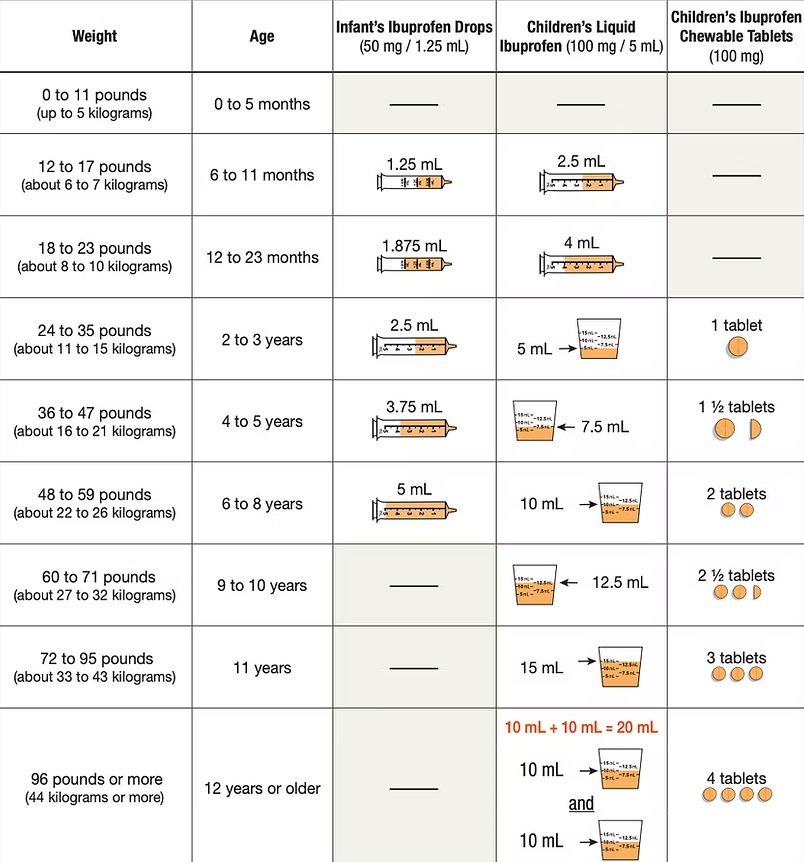
Administering medication to infants requires extreme care, precision, and knowledge. A medication dosing chart provides essential guidance for caregivers by outlining the correct dosage based on weight or age. Whether you’re treating a mild fever or teething discomfort, knowing how to read and apply a dosing chart is vital—especially when it involves infant Tylenol dosing or determining the correct ibuprofen dose for infants.
Why Medication Dosing Charts Are Critical for Infant Health
Infants have unique physiological needs, and even small dosing errors can lead to serious consequences. A medication dosing chart helps eliminate the guesswork and ensures that medications are administered in a safe and effective manner.
These charts are typically formatted to include:
- Weight and/or age categories
- Precise dosage amounts in milliliters (mL)
- Frequency of administration (such as every 4 to 6 hours)
- Maximum number of doses within 24 hours
This information helps caregivers make informed decisions and avoid both underdosing and accidental overdoses.
How to Administer Infant Tylenol Dosing Using a Chart
Acetaminophen, often referred to by the brand name Tylenol, is one of the most commonly used medications for infants suffering from fever or mild pain. A medication dosing chart for infant Tylenol dosing typically provides guidelines based on body weight, not just age.
Key considerations include:
- Checking your baby’s weight before selecting the dose
- Using the correct form of medication (infant drops or oral suspension)
- Measuring doses precisely with the syringe or dropper provided
- Not exceeding 5 doses within a 24-hour period
Infants metabolize medicine differently than older children, so exact dosing is critical. Following the chart ensures the medicine is both safe and effective.
Determining the Right Ibuprofen Dose for Infants
Ibuprofen is another go-to medication for reducing fever, inflammation, and pain in infants—but only for those aged six months and older. The ibuprofen dose for infants is also typically weight-based and outlined clearly in dosing charts.
When using a dosing chart for infant ibuprofen:
- Ensure the baby is at least six months old
- Always dose based on the child’s weight, not age
- Space out doses by 6 to 8 hours
- Use only the measuring tool that comes with the medication
Ibuprofen should be given with food or milk to minimize any potential stomach upset. Avoid giving both acetaminophen and ibuprofen together unless directed by a healthcare professional.
Best Practices for Using a Medication Dosing Chart
To ensure safe usage of any medication dosing chart, keep the following practices in mind:
- Weigh your child regularly to maintain accurate dosing
- Keep a dosing log to avoid administering too frequently
- Store the chart in a convenient location near your medicine cabinet
- Double-check each dosage before giving it to your child
These small habits can significantly reduce the risk of medication errors and keep your infant safe.
Conclusion
A medication dosing chart is more than just a reference tool—it’s a vital resource for responsible and safe infant care. From infant Tylenol dosing to understanding the correct ibuprofen dose for infants, these charts empower caregivers to administer medications confidently and accurately. By strictly following dosing instructions and using the right tools, you can ensure your child receives the care they need without unnecessary risks. When it comes to infant health, accurate dosing makes all the difference.


