In tissue regenerative research, the quality of reagents determines the success or failure of experiments. Analogy-based discovery of skin anti-aging peptides: multiple activities of BH3I in the skin. Such bioactive agents need careful treatment and certain environments, in order to perform well in a laboratory condition.
One important detail that is often ignored is the reconstitution solvent: bacteriostatic water. That is the sterile solution in which research peptides should be stored, or else these substances will begin degrading very quickly. In this article, the author discusses the complimentary roles of purified skin peptides and micronized/bacteriostatic water for their application.
Importance of Peptides for Skin Regeneration Investigations
Sterile water to Maintain Sterility and Purity
Bacteriostatic water is different since it has 0.9% of benzyl alcohol in it, which prevents bacteria growth. This preservative feature can be useful when a peptide vial is opened more than once. Much importance is placed on the absence of bacterial contamination in studies using skin peptides so as not to bias results. This makes sure that the solution is kept stable and sound for the duration of the entire investigation.
Peptides For Skin Studied In Labs
Peptides for the skin – a brief overview Research about peptides for the skin often concerns substances such as GHK-Cu or BPC-157. These agents are investigated for their role to stimulate increased collagen and elastin production. Scientists watch how the cells encounter dermal fibroblasts to undo signs of aging or damage. For good data, it is crucial to have these peptides in their pristine form as they are prepared by sources such as PrymaLab.
Bacteriostatic Water and Why it’s Important When you are reconstituting Botox for use in your cosmetic practice.
Blending Peptides the Right Way for Skin Solutions
The choice of the solvent used when rehydrating peptides for skin can influence solubility and the pH balance. Bacteriostatic water is the go to because it reconstitutes the lyophilized powder without destroying the peptide chains. The water must be added reference slowly through the side of he vial to void disrongingthe delicate molecular structures.
Long-term Storage with Bacteriostatic Water
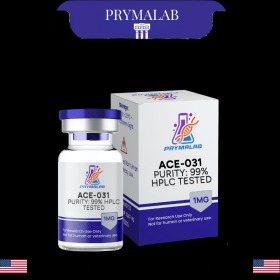
Peptides after reconstitution can be refrigerated or frozen for a period of time, and we recommend that most users will use the entire reconstituted peptide within 3 months. But the bacteriostatic enables you to use it in a refridgerator over a few weeks. This longevity is important for longitudinal studies whereby the same batch of peptides for skin are evaluated over a duration.
Peptides for Skin Handling Guidelines
- (C) Wipe the stopper of a vial tablet with alcohol in advance.
- For sterility, use sterile needle each time you pop it in.
- Peptides for skin should be kept out of the sun.
- Make sure the bacteriostatic water is not expired.
- Clearly label all vials with the date and concentration.
Last thoughts on Bacteriostatic Water and Tissue Studies
Overall, the innovation of dermatological science requires equally the active substances as well as tools to process them. Skin peptides are of great interest for studies on tissue repair and aging. But they only work if you do them right.
Bacteriostatic water is a necessity if you want to keep your research solutions pure and sterile for long periods of time. Through meticulous reconstitution and storage procedures, the validity of their research findings will be assured. PrymaLab makes its contribution to this stringent scientific procedure through provision of high-quality research tools.