
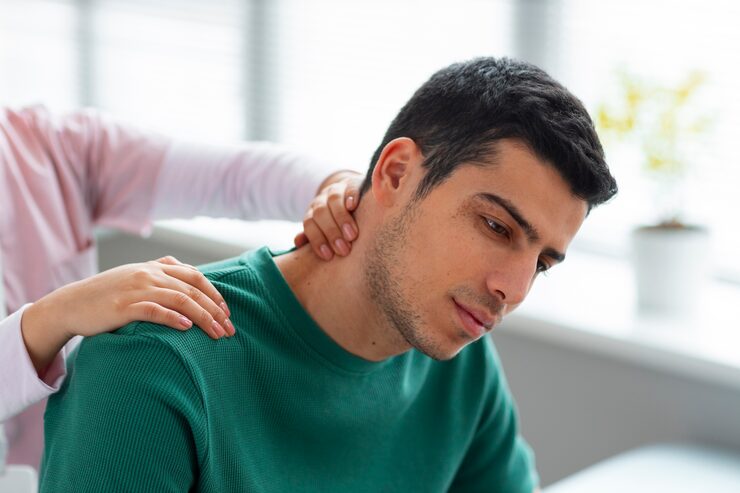
The cervical spine, comprising the seven vertebrae supporting the neck, plays a remarkable role in daily function, enabling everything from simple head turns to maintaining proper posture throughout the day. When chronic pain develops in this region, even routine activities can become genuinely difficult, making it essential to understand the full range of evidence based treatment options available today.
For many patients, cervical pain follows a familiar but frustrating pattern, starting with conservative treatment, sometimes progressing to surgery, and occasionally persisting despite every reasonable intervention attempted along the way.
Understanding the Roots of Cervical Pain
Chronic cervical pain can originate from disc degeneration, nerve compression, prior surgical complications, or postural strain accumulated over years of repetitive movement and daily wear. In some cases, patients develop what is known as Failed Neck Surgery Syndrome, where pain persists or returns despite previous surgical intervention intended to resolve it.
The Conservative Treatment Foundation
As with most spine related conditions, conservative care represents the appropriate starting point for the vast majority of cervical pain cases. This typically includes physical therapy to restore mobility and strength, anti inflammatory medication for symptom management, and functional medicine approaches addressing broader inflammation and lifestyle factors contributing to ongoing discomfort.
These foundational steps successfully resolve cervical pain for most patients within a reasonable timeframe, generally several months of consistent, guided treatment effort.
When Cervical Pain Resists Standard Treatment
For patients whose cervical pain persists despite thorough conservative effort, or those facing Failed Neck Surgery Syndrome specifically, advanced neuromodulation offers a structured, evidence based pathway forward. These reversible, non destructive treatments interrupt pain signals using targeted technology rather than relying on additional surgical alteration of the cervical spine.
Spinal Cord Stimulation for Cervical Pain
Spinal Cord Stimulation has demonstrated meaningful results for patients dealing with persistent neuropathic pain following neck surgery or related cervical conditions. This therapy works by delivering gentle electrical impulses near the spinal cord, masking pain signals before they reach the brain, often replacing sharp discomfort with a soothing sensation or no perceptible sensation whatsoever.
As with other implantable therapies, treatment always begins with a temporary trial period lasting five to seven days, allowing genuine evaluation of meaningful relief before any permanent implant is considered for long term use.
Peripheral Nerve Stimulation for Localized Cervical Pain
For cervical pain rooted specifically in identifiable peripheral nerves, particularly occipital neuralgia affecting the base of the skull, Peripheral Nerve Stimulation offers a remarkably minimally invasive alternative. This outpatient, same day procedure places a microscopic wire precisely next to the affected nerve, providing targeted relief while avoiding the need for more extensive surgical intervention.
Important Safety Considerations

Patients considering any cervical neuromodulation therapy should understand the associated risks honestly. Common considerations include infection risk, typically occurring within the first two to eight weeks following implantation, along with bleeding or discomfort at the surgical site. A specific risk unique to these devices is lead migration, which may occasionally require a minor revision procedure to restore optimal pain coverage.
Building a Comprehensive Treatment Plan
- Thorough evaluation including review of prior treatments and surgical history
- Discussion of how cervical pain affects daily function and overall quality of life
- Education regarding trial based options before pursuing permanent treatment
- Temporary trial period confirming meaningful, measurable relief
- Permanent implantation only following demonstrated clinical success
Specialized Experience in Complex Cervical Cases
Dr. Hemant Kalia has treated patients throughout Rochester, Monroe County, and Upstate New York since 2007, building particular expertise in complex cervical and neck related pain conditions, including Failed Back or Neck Surgery cases. His contributions to national consensus guidelines help ensure treatment approaches reflect current, rigorously evaluated clinical evidence.
A Thoughtful Path Toward Relief
Chronic cervical pain that has resisted standard treatment does not have to remain an unsolved problem indefinitely. From conservative therapy through advanced, reversible neuromodulation, a clear, evidence based pathway exists for patients facing even the most stubborn cases of persistent neck and cervical discomfort. A comprehensive evaluation remains the most reliable first step toward identifying genuine, lasting relief.


