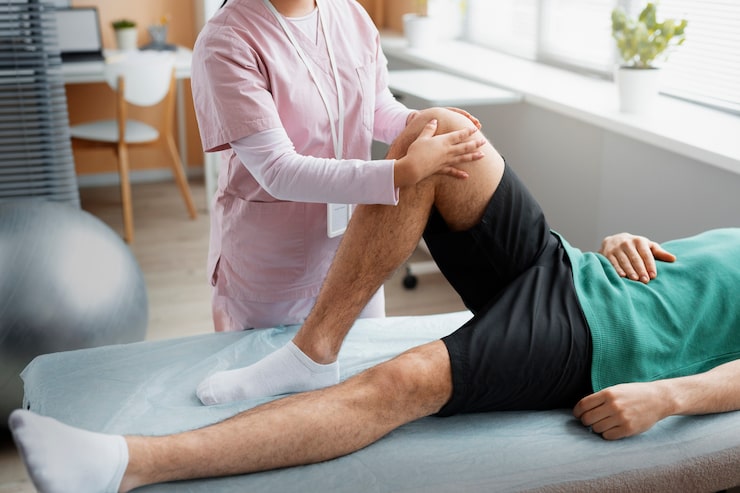
In modern healthcare, the integration of traditional therapies with clinical science is becoming increasingly valuable. One such practice is the use of acupuncture needles in Physical Medicine, where ancient healing meets evidence-based rehabilitation. These fine, sterile needles are not just tools of alternative therapy but are now widely used to support pain relief, improve mobility, and accelerate recovery. From musculoskeletal conditions to chronic pain disorders, acupuncture has found a meaningful place in physical rehabilitation programs. This blog explains how it works, where it is used, and why it continues to gain credibility among healthcare professionals.
The Role of Acupuncture Needles in Physical Medicine
The application of acupuncture needles in Physical Medicine focuses on stimulating specific points in the body to activate natural healing processes. These points, often referred to as acupoints, are linked to nerves, muscles, and connective tissues.
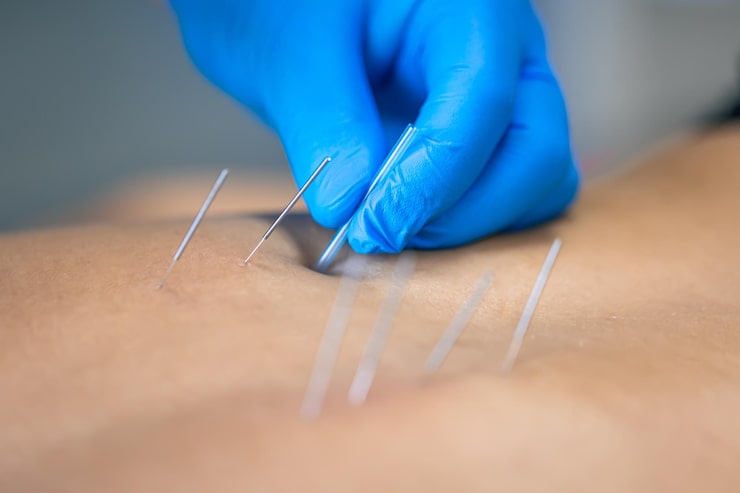
When inserted correctly, acupuncture needles help improve blood circulation, reduce inflammation, and trigger the release of endorphins, which are the body’s natural painkillers. This makes acupuncture a powerful complementary therapy in treating conditions like back pain, arthritis, sports injuries, and even post-surgical recovery.
Key Benefits Include:
Pain reduction without heavy reliance on medication – Unlike conventional treatments that often target symptoms alone, acupuncture works holistically. It supports the body’s internal balance while addressing the root causes of discomfort. This dual effect makes it especially beneficial in long-term rehabilitation programs.
How Acupuncture Needles Work In Physical Rehabilitation
The mechanism behind acupuncture needles is both traditional and scientific. In traditional Chinese medicine, acupuncture balances the flow of energy or “Qi” within the body. In modern Physical Medicine, however, the explanation leans more toward neurophysiology.
When needles are inserted into the skin, they stimulate sensory nerves. This stimulation sends signals to the brain and spinal cord, influencing pain perception and muscle function. As a result, patients often experience immediate relief or gradual improvement over multiple sessions.
Example: A patient suffering from chronic lower back pain may receive acupuncture treatment targeting lumbar muscles. Over a few sessions, reduced muscle tightness and improved mobility are often observed. This complements physiotherapy exercises, making recovery faster and more effective.
Pro Tip: For best results, combine acupuncture with guided physical therapy exercises. This enhances muscle strength while maintaining the pain relief benefits of acupuncture.
Conditions Treated Using Acupuncture In Physical Medicine
Musculoskeletal Disorders: Acupuncture is widely used to treat conditions like neck pain, shoulder stiffness, and joint inflammation. By targeting trigger points, it relaxes tight muscles and improves flexibility.
Sports Injuries: Athletes often rely on acupuncture for quicker recovery from sprains, strains, and tendon injuries. It helps reduce swelling and speeds up tissue repair.
Neurological Conditions: In certain cases, acupuncture is used alongside rehabilitation therapies for conditions like stroke recovery or nerve damage. It helps stimulate nerve function and improves coordination.
Chronic Pain Syndromes: Conditions such as fibromyalgia and chronic fatigue syndrome respond well to acupuncture treatments, especially when conventional treatments provide limited relief.
Why Physical Medicine Specialists Recommend Acupuncture
The growing acceptance of acupuncture in clinical settings is not accidental. Many physical medicine specialists now include it as part of a multidisciplinary treatment approach.
Acupuncture offers a non-invasive, drug-free solution that aligns with modern patient preferences. It reduces dependency on pain medications and minimizes side effects, which is particularly important for long-term treatment plans.
Additionally, it enhances patient outcomes when combined with physiotherapy, chiropractic care, or occupational therapy. This integrated approach ensures that patients not only recover but also regain functional independence.
Safety And Professional Application
One of the most common concerns about acupuncture is safety. When performed by trained professionals, acupuncture is extremely safe. The needles used are sterile, single-use, and very thin, causing minimal discomfort.
In a Physical Medicine setting, practitioners are trained to understand anatomy and apply acupuncture precisely. This reduces risks and ensures optimal results.
Patients are always evaluated before treatment to determine suitability. Factors such as medical history, current medications, and underlying conditions are carefully considered.
The Future of Acupuncture in Physical Medicine
The future of acupuncture needles in Physical Medicine looks promising. As more clinical studies validate its effectiveness, acupuncture is being integrated into hospitals, rehabilitation centers, and pain management clinics worldwide.
Technological advancements are also enhancing acupuncture techniques. Methods like electroacupuncture, where mild electrical currents are applied through needles, are becoming more common in modern therapy settings.
This evolution highlights a significant shift in healthcare, where traditional practices are not replaced but refined and adapted to meet modern medical standards.
Conclusion
The use of acupuncture needles in Physical Medicine represents a powerful blend of tradition and science. It provides a natural, effective, and holistic approach to pain management and rehabilitation. From reducing inflammation to improving mobility and enhancing overall well-being, acupuncture continues to prove its value in clinical practice.
As patients and healthcare providers increasingly seek non-invasive treatment options, acupuncture stands out as a reliable and versatile therapy. Whether used alone or alongside other treatments, it plays a crucial role in helping individuals achieve faster recovery and better quality of life.