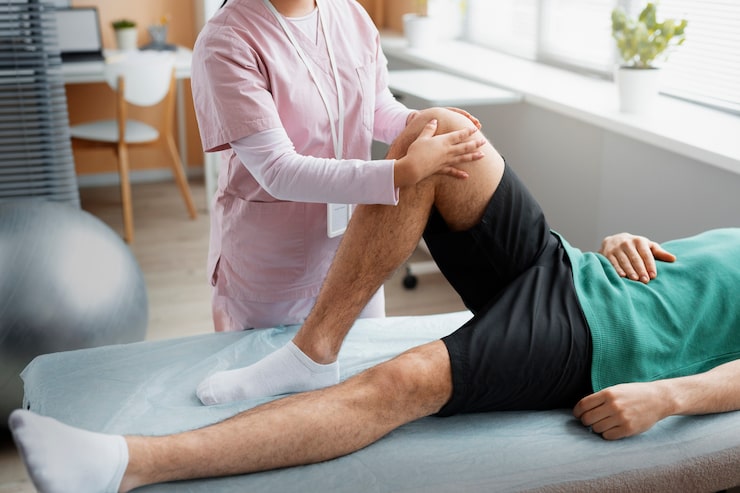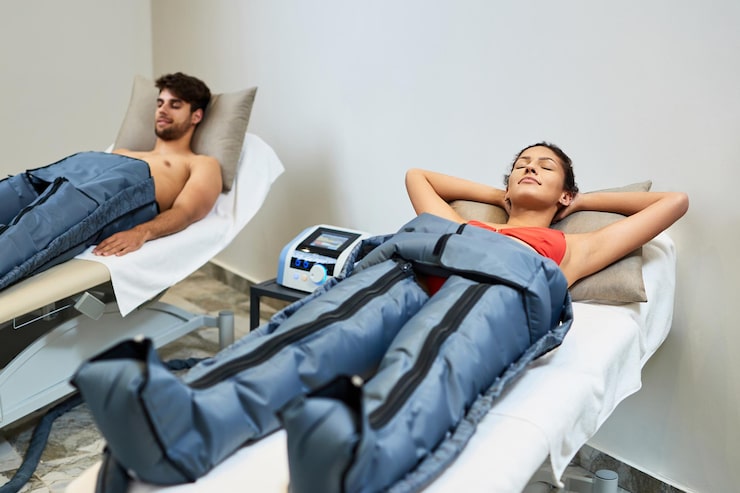
In the world of health, fitness, and rehabilitation, recovery is just as important as training itself. Whether you are an athlete pushing your limits, someone recovering from an injury, or simply dealing with everyday muscle fatigue, choosing the right recovery method can make a big difference. Two of the most popular approaches today are Compression therapy and Percussion therapy. While both are designed to reduce pain, improve blood flow, and speed up recovery, they work in very different ways. Understanding these differences can help you decide which one works best for your body and goals.
What Is Compression Therapy?
Compression therapy involves applying controlled pressure to specific areas of the body, usually the legs or arms, with the help of sleeves, wraps, or specialized devices. The goal is to improve circulation, reduce swelling, and support muscle recovery.
When blood flow is restricted due to fatigue, injury, or prolonged sitting or standing, muscles and tissues may not get enough oxygen. Compression therapy increases blood flow by gently squeezing the veins and muscles, helping oxygen-rich blood move faster while reducing fluid buildup.
Benefits of Compression Therapy:
- Improved circulation: Helps blood return to the heart more efficiently.
- Reduced swelling and inflammation: Especially beneficial for people with lymphedema, varicose veins, or after intense exercise.
- Muscle recovery: Speeds up healing by reducing lactic acid buildup.
- Injury management: Often recommended after surgery or physical trauma to minimize swelling.

What Is Percussion Therapy?
Percussion therapy, also known as percussive massage or vibration therapy, uses rapid pulses of pressure applied to the muscles through a handheld device. Unlike compression therapy, which focuses on circulation, percussion therapy directly targets muscle tissue.
The rhythmic tapping motion penetrates deep into the muscles, breaking up knots, releasing tension, and increasing blood flow to targeted areas. It is often used by athletes, fitness enthusiasts, and physical therapists for quick muscle relief.
Benefits of Percussion Therapy:
- Relieves muscle soreness: Breaks down muscle adhesions and stiffness after workouts.
- Enhances flexibility: Loosens tight muscles, improving range of motion.
- Speeds recovery: Stimulates blood flow to specific problem areas.
- Convenient and quick: Often provides noticeable relief in just a few minutes of use.
Key Differences Between Compression and Percussion Therapy
While both methods aim to promote recovery, they differ in technique, purpose, and results.
1. Mechanism
- Compression therapy: Uses external pressure to assist circulation and reduce swelling.
- Percussion therapy: Uses rapid pulses to penetrate deep into muscle tissue and release tension.
2. Primary Focus
- Compression therapy: Best for improving blood flow and managing swelling.
- Percussion therapy: Best for relieving muscle stiffness, soreness, and knots.
3. Duration of Use
- Compression therapy: Sessions often last 15–45 minutes, depending on the treatment.
- Percussion therapy: Can be as short as 5–10 minutes on specific muscle groups.
4, Who Benefits Most
- Compression therapy: Helpful for those recovering from surgery, injury, or conditions that cause swelling. Athletes also use it after long training sessions.
- Percussion therapy: Ideal for athletes or individuals dealing with muscle tightness, post-exercise soreness, or stress-related muscle stiffness.
Choosing the Right Recovery Method for You
Both compression therapy and percussion therapy have unique benefits, and the best option depends on your recovery needs.
- Choose Compression Therapy if:
- You experience swelling or fluid retention.
- You are recovering from surgery or injury.
- You need to enhance circulation after long periods of inactivity.
- You want a passive recovery option that doesn’t require active effort.
- Choose Percussion Therapy if:
- You struggle with muscle knots or tightness.
- You need fast relief after intense workouts.
- You want to improve flexibility and range of motion.
- You prefer a hands-on, localized treatment.
Some people find that combining both therapies offers the best results. For example, using percussion therapy immediately after exercise to loosen tight muscles, followed by compression therapy to reduce swelling, can maximize recovery.
Expert Insight on Safety and Effectiveness
While both therapies are generally safe, there are some things to keep in mind:
- Compression therapy should be used carefully if you have certain circulatory problems or blood clots. Always consult a doctor if you have underlying health conditions.
- Percussion therapy should be avoided on inflamed areas, open wounds, or fractures. Overuse can also cause soreness, so moderation is key.
When done correctly, both therapies can be powerful tools to keep your body healthy, pain-free, and ready for your next challenge.
Conclusion: Finding Your Path to Better Recovery
Recovery is not one-size-fits-all. Compression therapy is excellent for improving circulation and managing swelling, while Percussion therapy excels at reducing muscle tension and soreness. Your choice depends on your lifestyle, physical activity level, and health needs. Some may benefit from one approach, while others may find a combination of both most effective.
At the end of the day, the best recovery method is the one that helps you feel your best and stay active without pain. For expert guidance tailored to your unique needs, you can always turn to professionals like Performance Physical Therapy, where recovery and wellness go hand in hand.