Obstructive sleep apnea is a common sleep disorder that affects roughly 30 million people in the United States today. If you currently have this health problem, the good news is that there are a few treatment options you can try to address the symptoms. A common solution is to try using a reliable CPAP mask or visit a good clinic, such as iSleepBetter for CPAP therapy. Besides, there are also many more home remedies you can try to manage your symptoms.
You’ll find all you should know about the best at-home remedies as you continue reading this post.
1. Maintaining a healthy weight
Today, studies reveal that obesity is one of the common causes of narrow nasal passages and airway obstruction. This explains why many doctors often advise OSA patients to lose weight.
Losing weight modestly is a lifestyle remedy that can help keep your airways clear. This is especially important if you have obesity. This lifestyle hack will help you eliminate the need for many sessions of CPAP therapy.
N.B: The only problem with this weight loss hack is that the sleep apnea symptoms can return when you start regaining weight.
2. Use a reliable air humidifier
If you’re familiar with exactly how air humidifier products work, then you’ll agree that they help to add moisture to air. Moisturizing the air doesn’t only prevent dryness, it also has its effects on sleep apnea symptoms.
It’s simple; during summer months, air-conditioned air often dries out the sinuses, throat, and nasal passages during sleep at night. This effect can lead to swelling and inflammation, which can exacerbate sleep apnea. With a reliable air humidifier, you can easily alleviate these symptoms. For better results, you can also consider adding lavender, peppermint, or eucalyptus oil to the humidifier. These ingredients are worth using because of their soothing and anti-inflammatory properties.
3. Adjust your sleep position
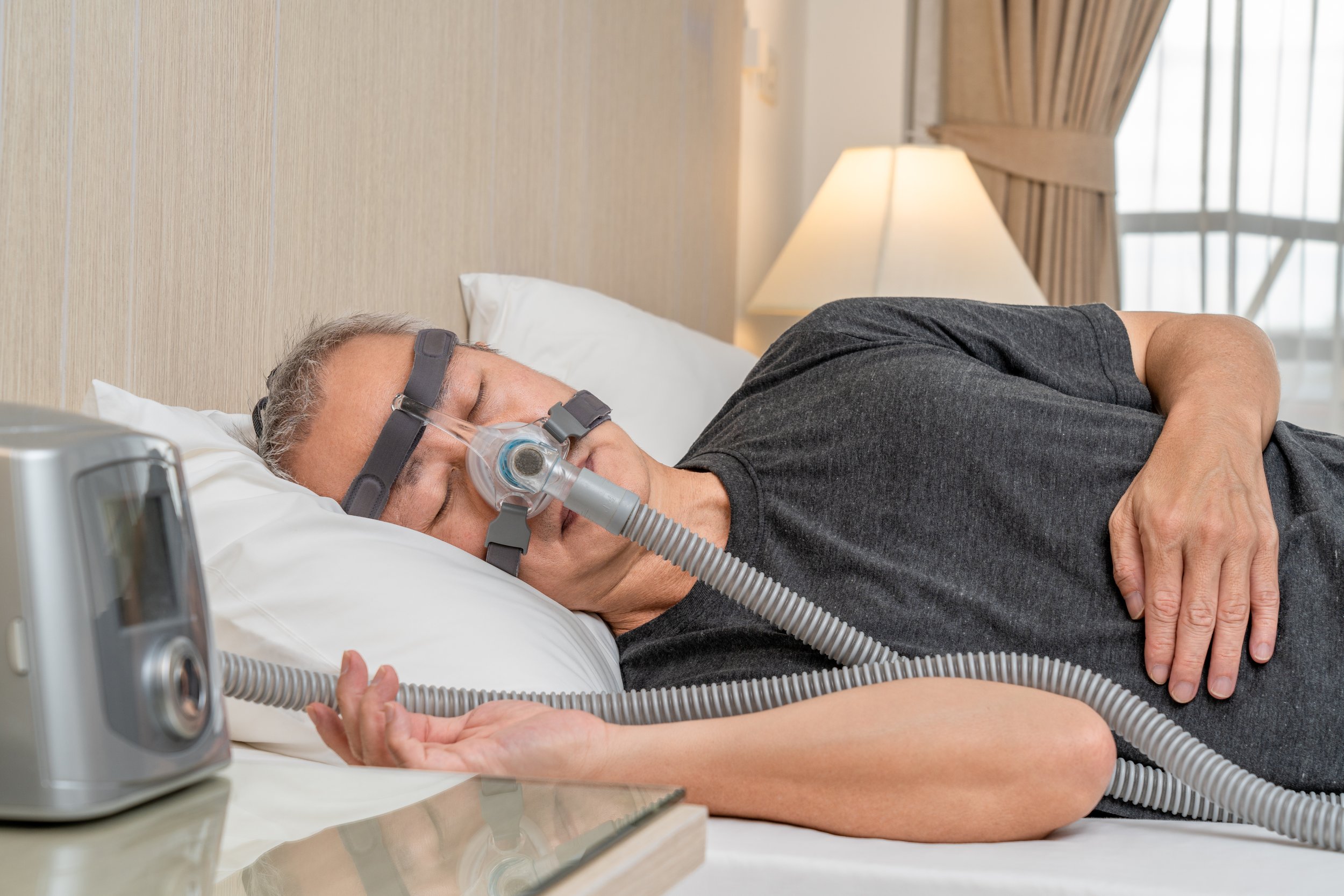
Certain sleep positions are also known to encourage sleep apnea. A good example, as pointed out by StudiesTruated Source, is sleeping on your back. According to studies, roughly 50% of OSA cases are dependent on position. To address this issue, all that matters is to alter your sleep position. Industry experts recommend sleeping on the side for stabilized breathing.
4. Stay away from smoking & alcohol
Research has it that drinking too much alcohol and smoking can increase the risks of obstructive sleep apnea in adults. Alcohol works by relaxing the muscles around the throat, which controls breathing. Sadly, relaxed muscles can lead to snoring and inflammation in the airways. The same thing also goes for tobacco smoking—it causes swelling and inflammation in the airways. The solution to these issues is to avoid smoking tobacco and limit your intake of alcohol.
5. Try CPAP
CPAP machines are highly effective for treating sleep apnea today. These machines work by delivering increased pressurized air to the airways. This continuous flow of air pressure helps to keep the massage passages free for stabilized breathing.
For at-home use while sleeping at night, iSleepBetter has some of the best CPAP machines for OSA and central sleep apnea. You can also use these machines while travelling or during naps. You can visit the official website today to better understand how to choose the right CPAP machine for your symptoms.